SOLUTIONS
The client sought to establish a fully digital work environment by comprehensively modernizing HR operations at their new advanced manufacturing unit. Recognizing that manual HR processes were incompatible with their advanced manufacturing ambitions, they partnered with Aligned Automation to eliminate legacy workflows and address the following critical challenges:
- Fragmented Data Architecture: Onboarding data was scattered across disconnected Excel spreadsheets, paper forms, email threads, and departmental systems with no single source of truth. This fragmentation caused significant version conflicts, duplicate entries, data inconsistencies, and consumed at least 2 days of manual reconciliation effort per new hire, creating substantial delays in workforce readiness and preventing timely access to critical HR information.
- Inconsistent Process Execution: Onboarding checklists and requirements varied significantly by hiring manager and department, with each stakeholder maintaining different templates and tracking methods. This decentralized, ad-hoc approach created serious compliance risks, resulted in missed critical onboarding steps, prevented standardization across the organization, and made it impossible for HR leadership to monitor new hire readiness, identify process gaps, or ensure consistent employee experiences.
- Manual Request Management: Training and educational assistance requests relied entirely on paper forms and email chains requiring manual routing through multiple approval layers with no centralized tracking or visibility. Employees had no way to check request status, managers lacked tools to monitor pending approvals, and HR couldn't analyze training investment patterns, ensure budget compliance, or identify skills development trends across the organization.
BUSINESS OUTCOMES
The transformation delivered measurable operational impact across the entire HR function. By replacing manual workflows with an intelligent, AI-powered digital infrastructure, the organization accelerated onboarding, improved visibility, strengthened compliance, and enabled data-driven workforce decision-making at scale.
Eliminated manual data reconciliation and processing bottlenecks by consolidating fragmented systems into a unified digital infrastructure powered by AI agents, reducing task completion time from 2 days to 2 hours while freeing HR teams to focus on strategic workforce initiatives.
- Intelligent Data Unification
Established a centralized data lake architecture powered by custom AI agents that consolidated disparate data sources, eliminated version conflicts and data discrepancies, and enabled real-time access to verified workforce information across all HR operations with complete audit trails.
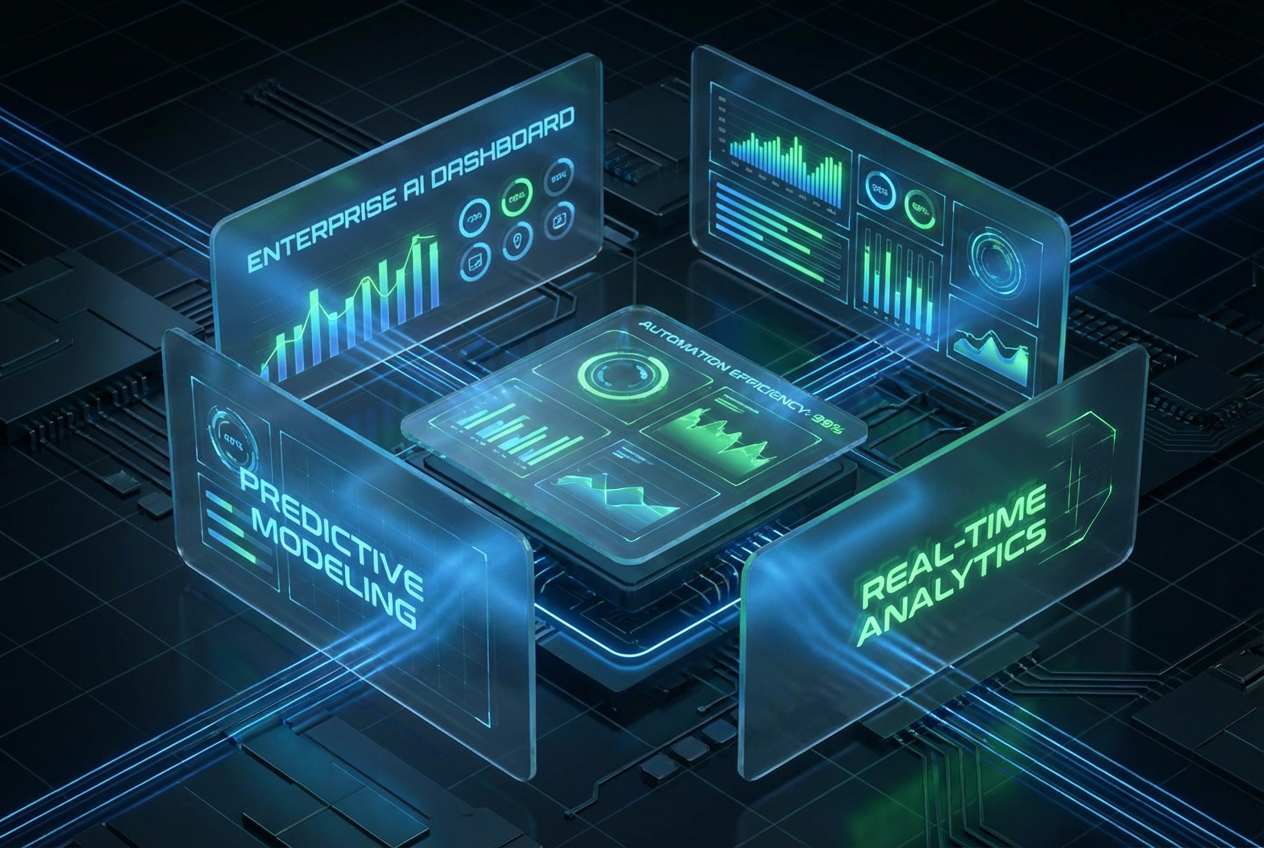
Deployed unified dashboards providing HR teams, managers, and employees with real-time visibility into onboarding progress, training requests, and approval workflows across all stakeholders, transforming previously opaque manual processes into transparent, accountable digital workflows.
- Strategic Performance Optimization
Enabled proactive, data-driven workforce planning through automated performance tracking, AI-powered skills gap analysis, and predictive insights that align talent development strategies with operational objectives and business growth priorities.


.svg)